Why Career Colleges Are Becoming the Choice for Young People
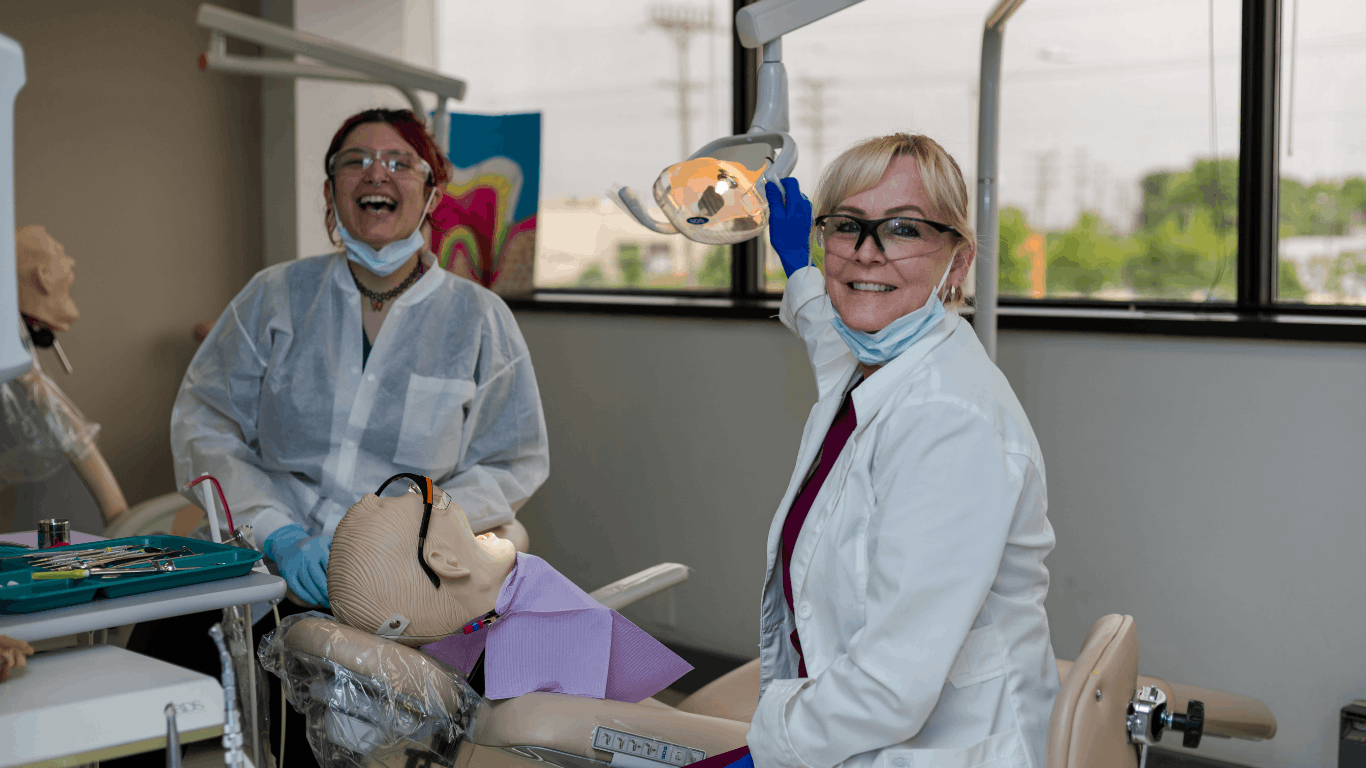
Students across the country are making different choices about their futures. Trade school enrollment numbers show community colleges grew by 3 percent in Fall 2023 compared to the previous year, more than double the growth seen at public four-year institutions [1].
This shift tells us something important about how young adults view their options after high school. More than half of Gen Z now believes it’s possible to secure well-paying employment with just a high school diploma and additional skills [2].
The statistics paint a clear picture. Younger generations want faster paths to meaningful careers without crushing debt. Career-focused community colleges saw enrollment jump by 16% from 2022 to 2023 [2], a significant move toward career-focused education.
Career colleges are becoming increasingly attractive for good reasons. They offer practical benefits that connect directly to the changing landscape of post-secondary education, and students are taking notice.
Key Takeaways
Career colleges are revolutionizing post-secondary education by offering practical, debt-free pathways to high-demand careers that traditional four-year institutions often can’t match.
- Career college graduates earn more in median ROI compared to those with bachelor’s degrees
- 90% of apprentices retain employment after completion
- Healthcare and technical fields offer exceptional opportunities
- Employers increasingly value practical skills over degrees
The shift toward career education reflects a fundamental change in how young people view success—prioritizing immediate job readiness, financial stability, and specialized skills over traditional academic credentials that may not translate to employment opportunities.
Gen Z is Choosing Different Paths
Young people are asking tough questions about higher education. They’re looking at traditional four-year degrees and wondering if there’s a better way to start a career. This shift isn’t just about trends; it’s about students making smart decisions for their futures.
Questioning the Four-Year Degree
The bachelor’s degree doesn’t carry the same weight it once did. Fewer Americans believe a college education is important today compared to a decade ago [3]. People have practical concerns about what they’re getting for their investment. With technology changing so rapidly, many wonder if what they learn in a four-year program will even be relevant when they graduate.
That’s why alternative education options are gaining ground. Online courses, boot camps, certification programs, and micro-credentialing offer new ways for people to enter their chosen fields [4]. These programs focus on hands-on experience—something many employers value more than theoretical knowledge.
Employers are changing too. They’re looking for candidates who can prove their skills through practical work, portfolios, and real projects. This shift in how companies hire is changing how students think about their education.
The Reality of Student Debt Hits Home
Money matters when choosing a path forward. Student loan debt affects graduates long after they leave campus:
- More than half consider their debt when choosing jobs or career paths [7]
- Debt pushes graduates toward higher-salary positions and away from lower-paid public service roles [6]
- 62% delay saving for retirement because of student debt [5]
- 55% say debt affects their ability to buy a home [5]
The traditional college path faces new questions as young adults weigh what makes sense for their goals. Career training programs are seeing remarkable growth as enrollment in traditional institutions has declined.
People are paying attention to the numbers: college costs in the United States have more than doubled in the 21st century [2], leaving the average student loan borrower with more than $42,600 in debt [1]. That’s why one-third of American adults would now advise graduating high school seniors to attend a vocational or trade school instead of college [8].
Young workers carrying debt want flexibility. 41% of college seniors prefer hybrid work positions. Even more telling, 40% expect to take on gig or freelance work after graduation, with nearly a third planning this alongside full-time work just to handle debt payments [7].
Hands-On Learning Appeals to Today’s Learners
People learn better when they can do, not just listen. Research shows that active learning is twice as effective as traditional lectures when it comes to understanding concepts. Students in lecture-based classes were 1.5 times more likely to fail compared to those in hands-on learning environments [9].
Hands-on learning connects what you learn to what you’ll actually do on the job. Career colleges don’t just talk about skills. They teach through:
- Labs
- Simulations
- Clinical rotations
- Externship
Real experience makes all the difference. Internships and apprenticeships put students in actual work settings with guidance from professionals. The results speak for themselves: 90% of apprentices keep their jobs after finishing their programs [10].
The best education challenges individuals to think differently and puts them in charge of their learning. Today’s high school graduates want to apply their knowledge right away, not just study abstract concepts. They want education that prepares them for real careers, not just more school.
Why Career Colleges Make Sense
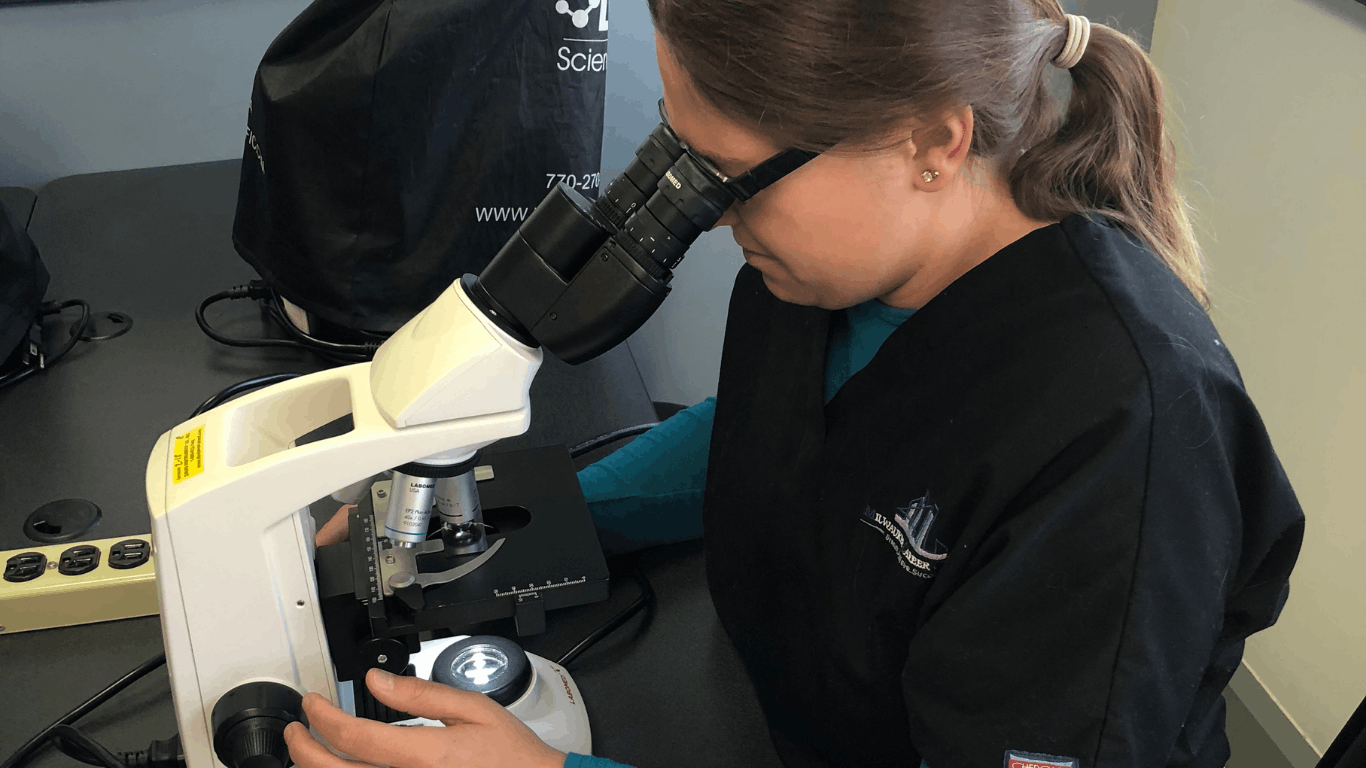
Career colleges offer practical solution-focused programs that connect specialized training directly to job opportunities, delivering real advantages in three major areas:
- Time
- Cost
- Career outcomes
Smart Investment, Faster Results
The numbers speak for themselves when it comes to career education. Undergraduate certificates in technical trades deliver a higher median return on investment (ROI), significantly outperforming the typical bachelor’s degree’s $160,000 ROI [11]. This difference challenges what many people assume about educational paths and their financial outcomes.
Young adults can complete their education quickly at career colleges. Many programs offer diplomas in under a year, with specialized certifications available in as little as:
- 30 weeks for Veterinary Assistant
- Less than a year for Medical Assistant and Dental Assisting programs
- 18 months for Veterinary Technician
This timeline means graduates start working sooner, earning income while their peers at traditional colleges continue paying tuition. This is a significant advantage that makes sense in today’s economic environment.
Real Support for Real Jobs
What sets career colleges apart? Their commitment to employment outcomes. Traditional institutions often separate education from career services, but career colleges weave workplace preparation throughout the curriculum.
Students receive personalized career support, with many schools assigning dedicated Career Success Coaches who guide them through program selection and help overcome daily challenges. At Milwaukee Career College, students complete externships, gaining hands-on experience that makes them job-ready upon graduation. This approach works!
The results prove the value of market-aligned programs. Students in career-aligned programs are 50% more likely to secure employment after graduation and earn 14%-17% more at entry level. Career-aligned graduates also experience 22% higher employment rates six years after completion. These outcomes stem from the strong employer connections career colleges maintain—institutions like Miami Dade College work with over 280 employer partnerships [9].
Healthcare Training That Works
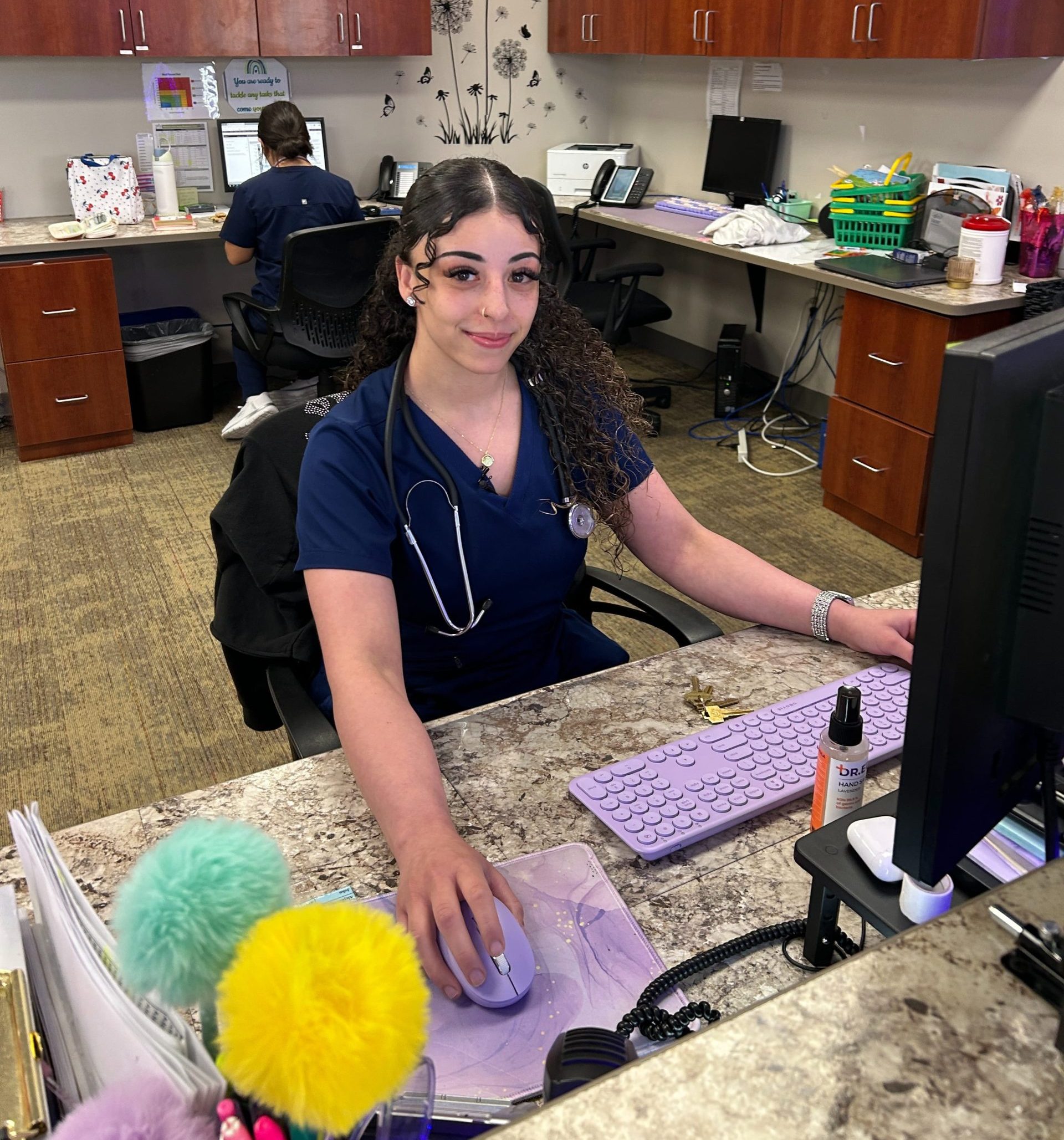
Healthcare programs at career colleges deserve special attention given the industry’s growth and need for qualified professionals. The U.S. Bureau of Labor Statistics projects approximately 1.9 million new healthcare job openings annually between 2024 and 2034 [13]—exceptional opportunity for properly trained candidates.
These programs emphasize practical experience over theory. People training for healthcare careers receive clinical instruction alongside classroom learning, with many programs featuring preceptorships that allow students to shadow practicing professionals. The approach yields impressive results—over 90% of Georgetown College students who apply to medical school are accepted [14].
Career colleges offer healthcare training options at multiple levels:
- Short-term certifications like Dental Assistant
- Mid-length programs like Medical Assistant (9-11 months)
- More extensive education like Veterinary Technician
The healthcare sector values the hands-on training career college graduates receive. With healthcare practitioners earning a median annual salary of $83,090 in 2024 [13], these programs
represent pathways to stable, well-compensated careers requiring significantly less time and financial investment than traditional medical education.
The evidence confirms what many students have discovered—career colleges offer a direct route to meaningful employment with strong financial returns, specialized support systems, and training tailored to high-demand fields.
Your Next Chapter Starts Here
The evidence is clear. Career colleges offer practical skills, meaningful employment, and financial stability without the burden of overwhelming debt. Young people recognize the value of specialized training that connects directly to workplace demands.
Traditional four-year institutions serve important purposes for many professions. But career-focused education provides distinct advantages:
- Faster completion times
- Higher return on investment
- Direct industry connections
Employers value graduates with hands-on experience
Your educational journey is unique to you. Your goals, learning style, and career aspirations matter. For many young people seeking a straightforward path to professional success, career colleges provide an attractive alternative—one that builds skills, minimizes debt, and connects directly to meaningful employment opportunities.
If you’ve been considering your options, now is an excellent time to explore what career colleges can offer. The future is bright for students who choose practical, career-focused training. Your next chapter could begin sooner than you think!
References
[1] – https://www.washingtonpost.com/business/2026/01/31/labor-market-gap-trade-workers-white-collar/
[2] – https://www.npr.org/2024/04/22/1245858737/gen-z-trade-vocational-schools-jobs-college
[3] – http://deangraziosi.com/4-ways-traditional-education-has-massively-failed-us/
[4] – https://www.linkedin.com/pulse/future-education-traditional-degrees-becoming-obsolete-poxxc/
[8] – https://americanstaffing.net/posts/2025/06/05/trade-school-over-college/
[9] – https://graduate.northeastern.edu/knowledge-hub/active-learning-higher-education/
[10] – https://www.coursera.org/articles/alternatives-to-college
[11] – https://freopp.org/whitepapers/does-college-pay-off-a-comprehensive-return-on-investment-analysis/
[12] – https://completecollege.org/our-approach/purpose/academic-career-alignment/
[13] – https://www.accreditedschoolsonline.org/healthcare/degrees
[14] – https://www.georgetowncollege.edu/news/preparing-students-success-healthcare