
How Long Is Veterinary Assistant Training?
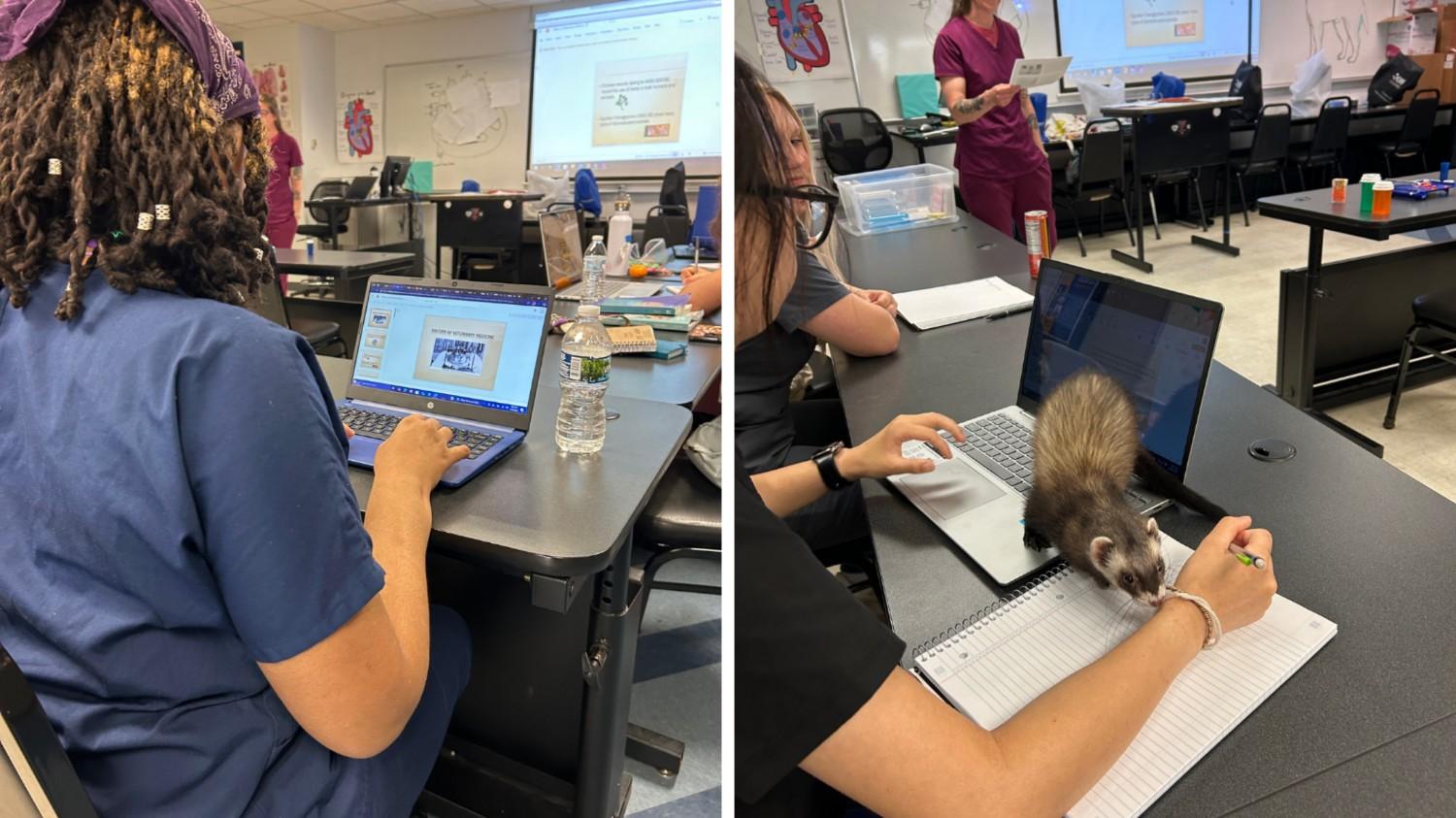
For many people who love animals, becoming a veterinary assistant is a career goal that feels both meaningful and achievable. One of the first questions prospective students tend to ask is how long the training actually takes. The short answer is that most certificate programs take between 6 and 18 months, which makes this one of the faster routes into a healthcare-related field.
Milwaukee Career College offers a Veterinary Assistant program built to prepare students for real work in veterinary clinics and animal care facilities. This page walks through how long the program takes, what the schedule looks like, and the factors that can shape a student’s timeline.
Typical Length of a Veterinary Assistant Program
Veterinary assistant certificate programs generally range from 6 to 18 months. The biggest factor is whether a student enrolls full time or part time.
At Milwaukee Career College, full-time students typically complete the program in 6 to 8 months. Students who enroll part time, often because they are working or raising a family, usually finish in 8 to 10 months. Either way, graduates earn the same credential and are prepared for the same responsibilities on the job.
Compared to other careers in veterinary medicine, the assistant path is much shorter. Veterinary technicians need 18 months of education and must pass a national licensing exam to work at a higher clinical level. Veterinarians complete a doctoral program, which takes 8 years or more beyond high school. Veterinary assistant programs stay focused on the practical, day-to-day skills that clinics need, which is what makes the training timeline so much more accessible.
What Students Learn During Training
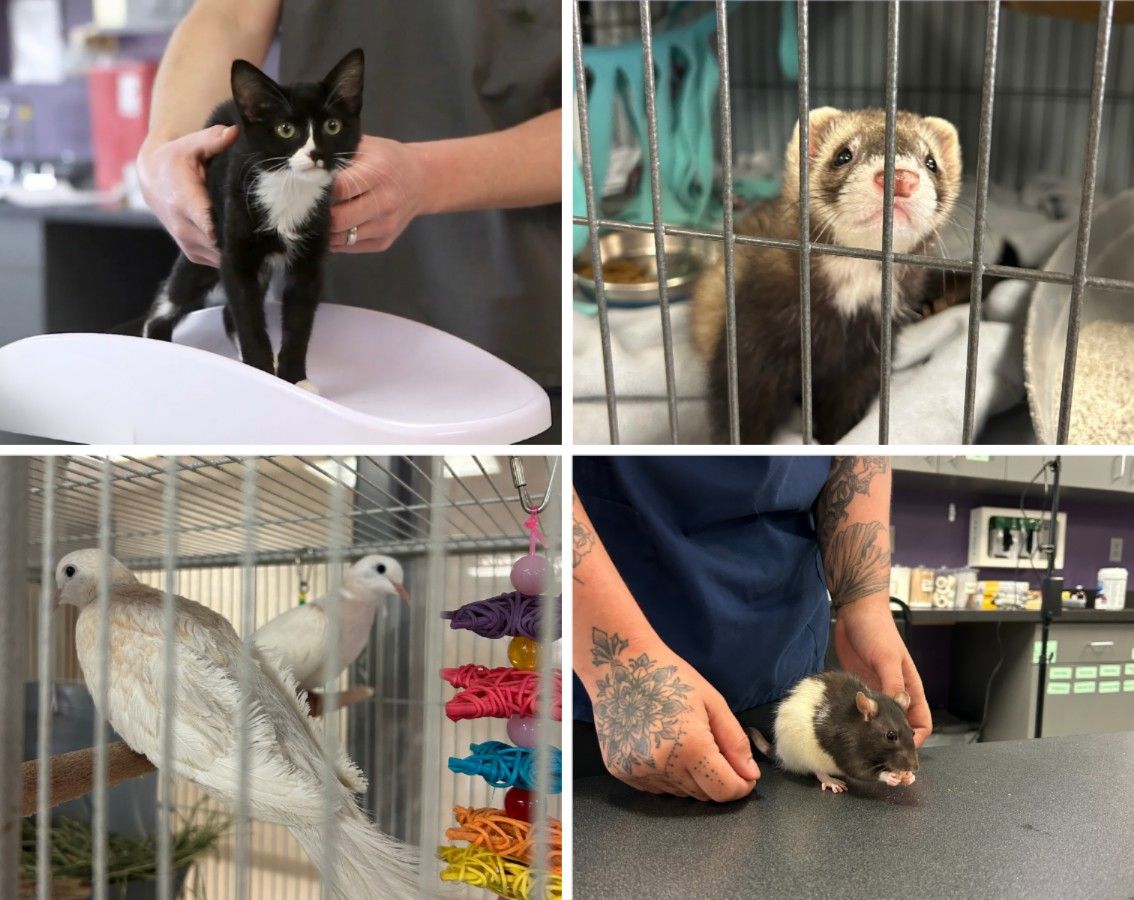
Veterinary assistant training is hands-on and clinic-focused from the start. Students learn how to handle animals safely, support veterinarians and technicians during exams, complete basic laboratory tasks, and keep the clinic running smoothly. Communication skills and proper sanitation procedures are also part of the curriculum, since both are essential in a real clinic setting.
Near the end of the program, students complete an externship at a local veterinary clinic. This is where classroom learning meets real-world practice. Students get to work alongside professionals, build confidence in their skills, and start making connections in the field before they even graduate.
Factors That Affect Training Length
Every student’s situation is a little different. A few key factors can influence how quickly someone moves through the program.
Full-Time vs. Part-Time Enrollment
Students who can commit to full-time hours will finish faster. Part-time enrollment works well for students who are juggling work or family responsibilities, and it is a practical option that many students at Milwaukee Career College take advantage of.
Prior Experience in Animal Care or Healthcare
Students who have spent time working with animals or in a healthcare setting may find some material easier to pick up. That said, no prior experience is needed. The program at Milwaukee Career College is designed to meet students where they are and build skills from the ground up.
Career Goals After Graduation
Some students finish the program and go straight to work. Others decide to keep going and pursue a veterinary technician credential. Knowing what comes next can help students plan their time in the program more intentionally.
How the Program Is Structured at Milwaukee Career College
Milwaukee Career College understands that most students have responsibilities outside of school. The Veterinary Assistant program offers daytime and evening class options so students can build their education around their lives, not the other way around.
The program pairs classroom instruction with hands-on practice in training facilities. The externship, which takes place near the end of the program, puts students inside working veterinary clinics. Many graduates leave their externship with both a professional reference and a stronger sense of where they want to take their career.
Frequently Asked Questions
How long does veterinary assistant training take?
Most certificate programs take between 6 and 10 months, depending on whether a student enrolls full time or part time.
What is the difference between full-time and part-time veterinary assistant programs?
Full-time students typically finish in 30 weeks, while part-time students who take our evening classes generally finish in 38 weeks. Both options lead to the same certificate.
Do I need a college degree to become a veterinary assistant?
No. A veterinary assistant certificate program is sufficient for most entry-level positions. A high school diploma or equivalent is typically the only prerequisite.
How does veterinary assistant training compare to veterinary technician training in length?
Veterinary assistant programs take 6 to 10 months, while veterinary technician programs take about 18 months. Vet techs also must pass a national licensing exam that is not required for vet assistants.
What does veterinary assistant training include?
Training covers:
- Animal handling
- Assisting with exams and procedures
- Basic lab tasks
- Clinic sanitation
- Client communication
Students also complete an externship at a working veterinary clinic.
Is prior animal care experience required to enroll?
No. Veterinary assistant programs are designed for students at all experience levels. Prior experience may make some topics easier to learn, but it is not a requirement for admission.
Does the program include hands-on training?
Yes. Milwaukee Career College includes an externship component where students train at a real veterinary clinic before they graduate.
Can I work while completing veterinary assistant training?
Yes. The program offers flexible scheduling, including evening options, to make it possible for students to continue working while completing their training.
Can a veterinary assistant go on to become a veterinary technician?
Yes. Many veterinary assistants use their experience as a foundation and continue their education to earn a vet tech credential. The two-year associate degree and national licensing exam are required for that next step.
Curious about the program? Prospective students are encouraged to reach out to Milwaukee Career College to learn more about schedules, costs, and enrollment.