
Veterinary Assistant Training:
Hands-On vs. Online Programs
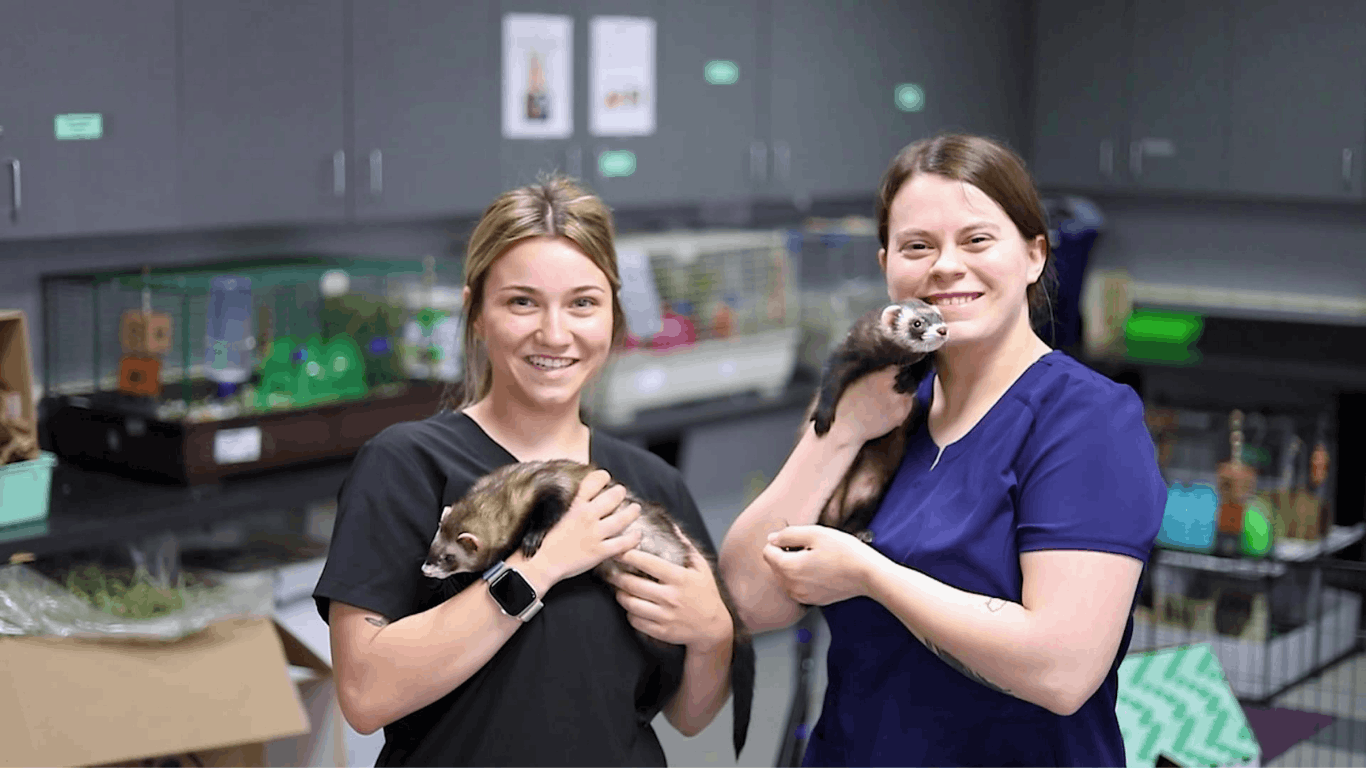
What You’ll Gain From Hands-On Veterinary Practice
Veterinary assistant training programs teach you the fundamentals—medical terminology, animal anatomy, and clinical procedures—but the skills that truly shape your career success come from working directly with animals and their owners. With veterinary assistant positions expected to grow 19 percent through 2033, formal education remains your foundation, but it’s the hands-on experience that prepares you for what you’ll actually face on the job.
The veterinary field’s growth creates incredible opportunities for dedicated professionals. When you combine structured education with hands-on practice, you’re not just learning procedures—you’re developing the instincts and people skills that make exceptional veterinary assistants. You’ll face situations that challenge everything you thought you knew, and that’s exactly where the most important learning happens.
Here’s What Makes Real-World Practice So Valuable:
- Animal handling becomes instinct through experience – You’ll learn to read fear signals, adjust your approach instantly, and keep both yourself and the animal safe in ways online classes can’t teach.
- Emergency skills develop when seconds count – Recognizing which animals need immediate attention versus those who can wait requires judgment that only comes from seeing it firsthand.
- Client conversations require heart and skill – Comforting a grieving pet owner involves empathy, body language, and timing that you can only master through real interactions.
- The best training combines both approaches – Programs that pair classroom learning with extensive externships give you the practical experience to use it effectively in your new career.
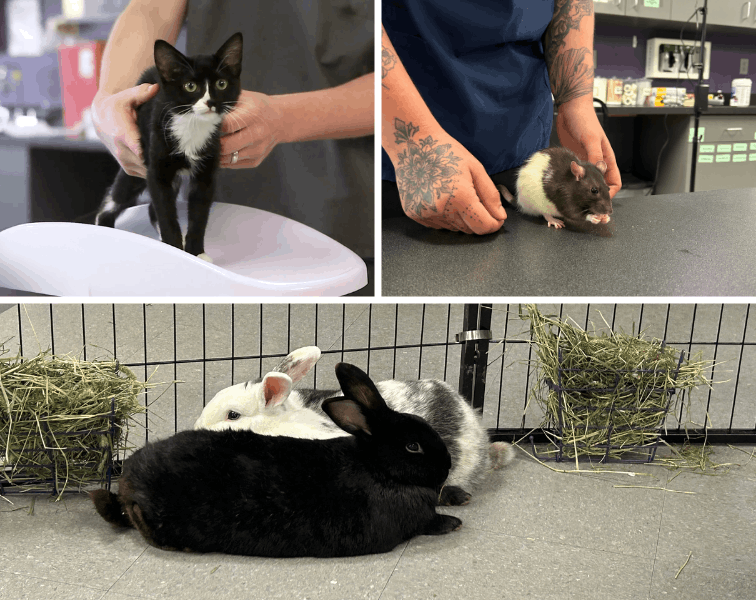
What Veterinary Assistant Programs Cover
Accredited programs follow a standardized curriculum approved by the National Association of Veterinary Technicians in America (NAVTA), building foundational knowledge across multiple areas of practice. Students start with medical terminology, mastering the prefixes, suffixes, and abbreviations they’ll use every day in clinical settings. The coursework moves through animal anatomy and physiology, covering directional terms and organ systems for dogs, cats, birds, reptiles, and other pets. Most programs take 12-16 months, and cover a large range of topics.
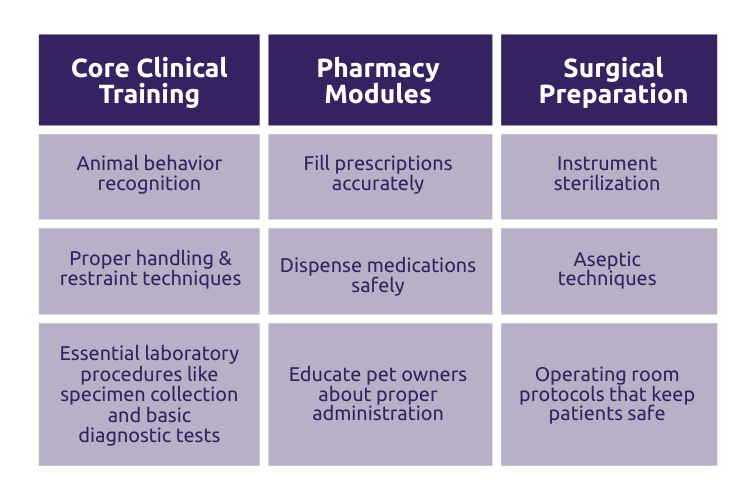
Programs also address animal nutrition, weight management, and body condition scoring, plus vaccination schedules and disease prevention strategies. Radiology training covers radiation safety, patient positioning, and ultrasound imaging assistance.
Our goal at Milwaukee Career College extends beyond technical skills. Veterinary assistant training programs include professional development covering:
- Office procedures
- Computer basics
- Animal anatomy and physiology
- Client communication
- Animal life stages and care
- And many other important topics
Students complete supervised externships to gain real clinical experience before certification. This foundation prepares graduates for the challenges ahead, but the most valuable lessons often come from what happens next—working directly with animals and their families.
Skills That Only Come From Working With Real Patients
Classroom instruction gives students a solid foundation, but the moment you step into a veterinary clinic, you discover that animals don’t follow textbook examples. Our students learn this quickly during their externships—every patient brings unique challenges that demand quick thinking and adaptability.
Handling Animals
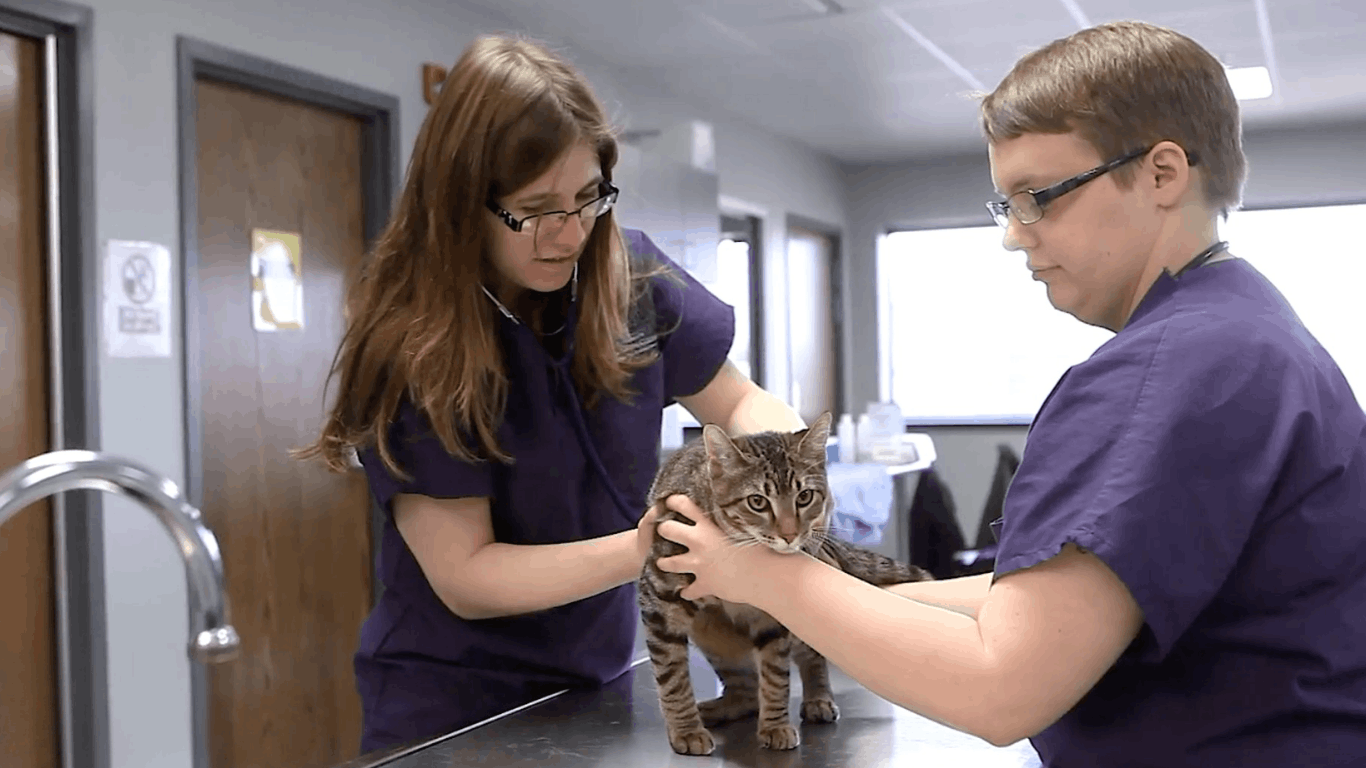
Take animal handling, for example. You can memorize restraint techniques perfectly, but that nervous dog who freezes when approached or the agitated cat who needs completely different handling requires skills that develop only through practice. Our graduates tell us they learned to read subtle behavioral cues—the slight shift in posture that signals stress, the eye contact that warns of potential aggression—and adjust their approach as needed.
Navigating Emergencies
Emergency situations really test what you know versus what you can do. When critical patients arrive, veterinary assistants must assess airway, breathing, and circulation rapidly. Triage becomes a skill that separates online training from clinical judgment—distinguishing between stable animals and those requiring immediate intervention demands experience that simulations simply can’t replicate. Our students discover that recognizing when critical cats tend to be bradycardic and hypothermic comes from seeing it firsthand, not just reading about it.
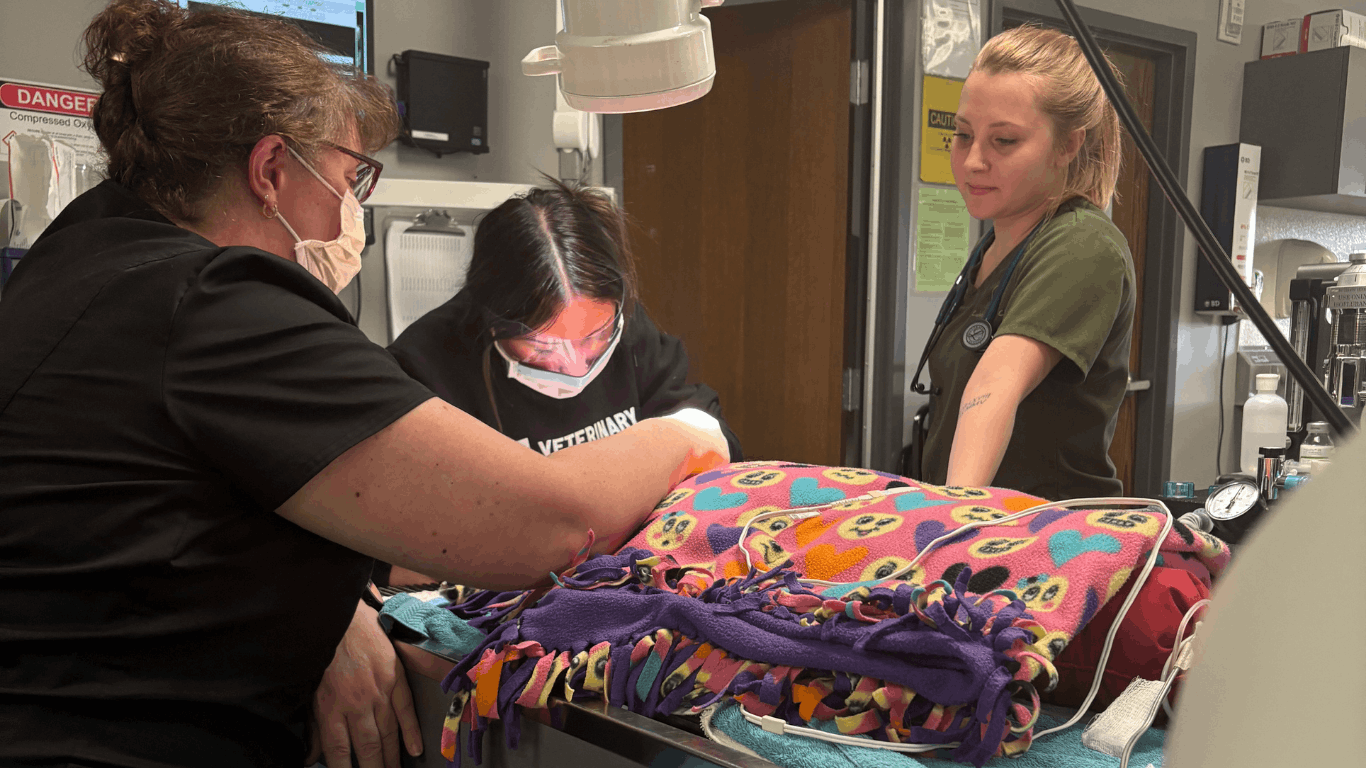
The Physical Demand
The physical demands surprise many new assistants too. Standing for extended periods, lifting heavy equipment, and restraining large animals during procedures builds stamina that no classroom can prepare you for. Manual dexterity becomes essential when handling frightened patients or assisting during emergencies where every second matters.
Attention to Detail
Perhaps most importantly, monitoring hospitalized patients teaches observation skills that online learning can’t convey. Noticing slight behavioral changes or early symptoms requires the kind of focused attention that develops through practice. That’s why we emphasize externships in our programs—but truly mastering these skills takes sustained clinical exposure that goes well beyond initial training requirements.
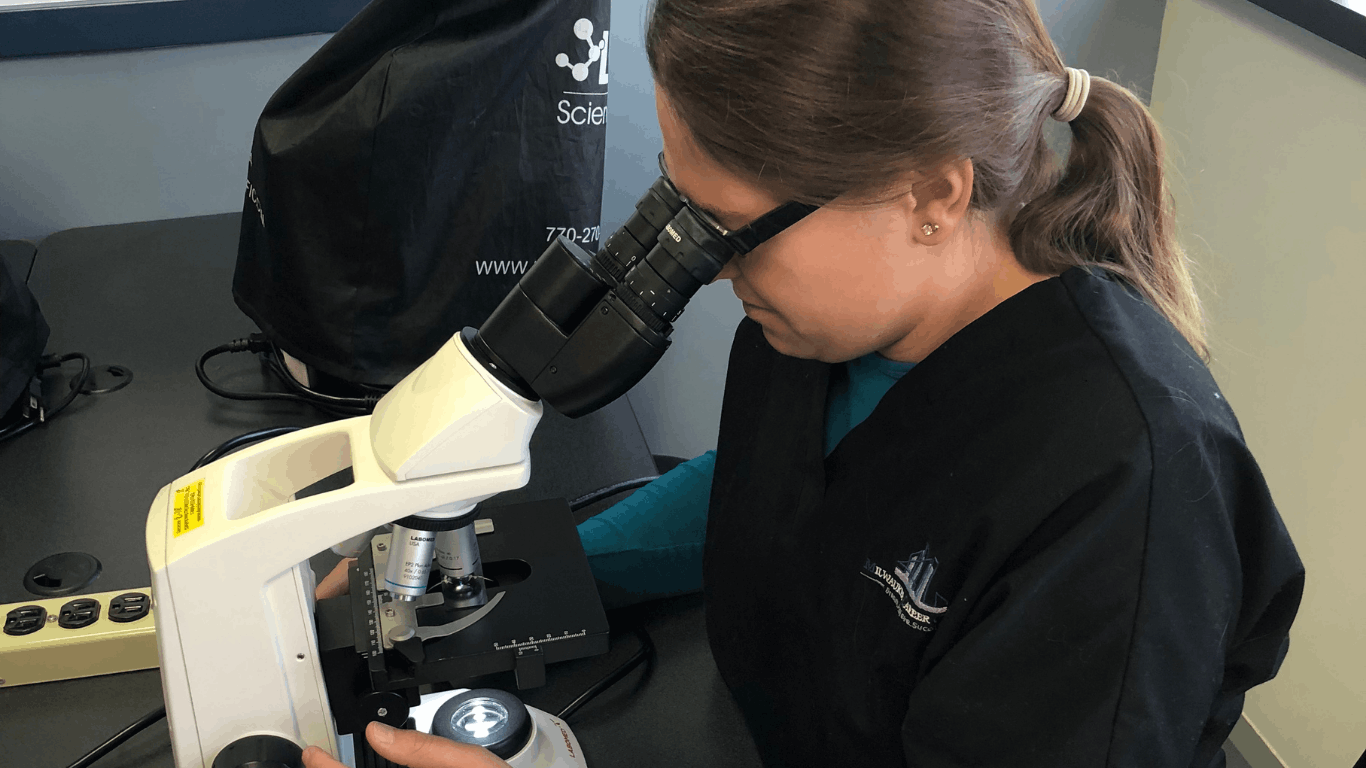
The good news? Every one of our students who embraces these challenges discovers they’re more capable than they imagined!
The People Skills You Develop
Veterinary assistant training programs teach communication basics, but learning happens when you’re face-to-face with worried pet owners. Most clients can’t judge whether you drew blood perfectly, but they’ll remember exactly how you made them feel during their pet’s scary moment. Grief-stricken families facing difficult decisions need genuine empathy that can’t be practiced with flashcards.
Clear communication during check-in and discharge makes the biggest difference in how clients remember their experience. Our externship students discover this quickly when they see the same clients return specifically asking for the staff member who took time to explain things clearly.
You’ll encounter situations no online courses can prepare you for. Clients overwhelmed by emotion sometimes lash out, and you’ll need to stay calm while setting boundaries. We teach our students that active listening helps them talk to patient’s families in a confident and reassuring tone.
Conclusion
Veterinary assistant training programs provide the foundation every aspiring professional needs, but practice teaches the nuanced skills that define career success. Handling unpredictable animals, responding to emergencies, and navigating emotionally charged client conversations require experience that online classes cannot replicate. Consequently, the most effective preparation combines structured coursework with extensive hands-on practice. Students who embrace both components develop the technical knowledge and practical judgment necessary to thrive in this rapidly growing field.
FAQs
Is there Online Vet Assistant Training?
Yes, there are online veterinary assistant training programs. However, they do not provide hands-on training experience for students to spend time with animals and learn the important skills that come from in-person training.
What skills are best learned through hands-on training?
Practical skills that require hands-on practice are:
- Animal restraint
- Clinical procedures
- Lab work
- Direct patient care
Will online training prepare me to handle real veterinary emergencies?
Online courses provide knowledge about emergency protocols, but actual emergency response skills are best learned through in-person clinical practice.
Can I get certified through online veterinary assistant programs?
Many online programs offer certification upon course completion, but they do not provide hands-on training experience with real animals to understand their behaviors.