
5 Facts About Being a Dental Assistant in 2026
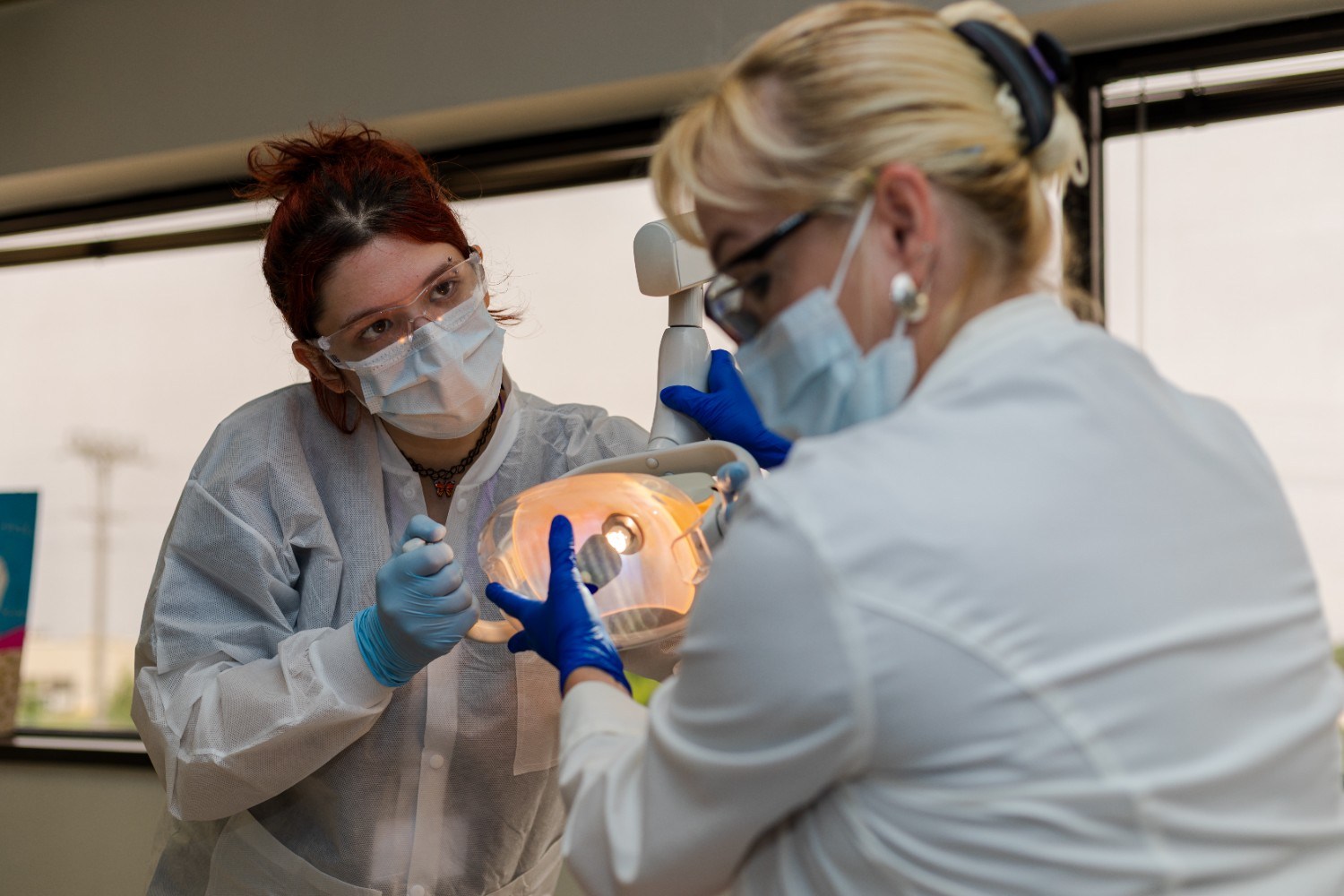
Choosing a career in dental assisting means looking at job security, daily duties, and how long training takes. Dental assistants work chair-side with dentists. They prepare patients for treatment and help keep the dental office running on schedule. The five facts below cover what the job involves, what it pays, and how to get started.
At a glance, dental assistants can expect:
- Strong, steadily growing demand nationwide
- Daily contact with a wide range of patients
- Work that calls for solid organizational skills
- Frequent communication with patients and dentists
- Hands-on tasks that reward good manual dexterity, with room to grow into related credentials
Fact 1: Dental Assistant Demand Is Projected to Keep Growing
The U.S. Bureau of Labor Statistics projects the dental assistant career will grow 7 percent from 2025 to 2035. That is much faster than the 3 percent average projected for all occupations. The BLS also projects about 53,000 dental assistant job openings each year over that decade. Most of those openings come from workers who transfer to other occupations or leave the workforce.
Research linking oral health to overall health is driving some of that growth. An aging population also needs more dental care.
Steady national demand doesn’t guarantee a job in every city. But it does mean the field is growing, not shrinking.
Fact 2: Dental Assistants Work With a Wide Range of Patients
Dental assistants see children, adults, and older patients over a normal week. Daily duties often include:
- Greeting and checking in patients
- Preparing exam rooms
- Sterilizing instruments
- Taking x-rays
- Assisting the dentist during procedures
- Giving patients after-care instructions once a procedure ends
That variety is part of why many dental assistants find the job engaging. No two patients have quite the same needs. And the pace of the day often changes.
Fact 3: The Role Requires Strong Organizational Skills
Dental offices run on schedules, and dental assistants help keep them on track. Instruments need to stay sterilized and organized for quick access during procedures. Patient records, billing paperwork, and dental forms also need to stay current. This is true whether an office uses digital records or paper ones.
Students who build strong organizational habits during training tend to adjust faster once they start working in a real dental office.
Fact 4: Communication Skills Matter Every Day
Dental assistants relay information between dentists and patients throughout the day. A dentist may explain a treatment plan to the assistant. The assistant then walks the patient through what to expect, in plain language. A good dental assistant needs to be a clear communicator and an attentive listener. Comfort with dental tools alone is not enough.
Patients are often anxious about dental visits. Assistants who can explain a procedure calmly and answer basic questions help put patients at ease.
Fact 5: The Job Rewards Manual Dexterity, With Room to Grow
Dental assistants spend much of the day handling small instruments in a small space. Steady hands and careful attention matter. Chairside duties include passing instruments, holding suction, and helping take dental impressions.
Experienced dental assistants have more than one way to grow in the field. Some pursue the Certified Dental Assistant (CDA) credential through the Dental Assisting National Board. This can lead to more responsibility and higher pay. Others train further to become an Expanded Function Dental Auxiliary (EFDA). This Wisconsin credential lets a dental assistant take on added clinical tasks under a dentist’s supervision. A smaller number go on to dental hygiene programs.
Becoming a dentist is a different path. It requires a separate DDS or DMD degree and several years of dental school after a bachelor’s degree. That makes it an unlikely next step for a working dental assistant. CDA, EFDA, and dental hygiene training are more realistic next steps.
Getting Started as a Dental Assistant
Wisconsin does not require a state license for entry-level dental assistant work, though many employers prefer applicants who’ve completed a training program, according to the Wisconsin Department of Health Services. The Certified Dental Assistant (CDA) credential from the Dental Assisting National Board is the field’s most recognized certification and can lead to more job opportunities and higher pay.
The median annual wage for dental assistants nationwide was $48,070 in May 2025, according to the BLS. Wisconsin’s own median, about $48,000 a year, is close to that national figure.
At Milwaukee Career College, the Dental Assistant diploma program takes as little as 7 months to complete: 24 weeks of classroom and lab instruction followed by a 6-week externship. No prior dental experience is required, only a high school diploma or its equivalent.
Milwaukee Career College’s admissions team can walk students through program details and financial aid options, and its Career Services team supports graduates with job search help after training.
Frequently Asked Questions
What are the basic duties of a dental assistant?
Dental assistants provide patient care, take x-rays, keep records, and schedule appointments, according to the BLS. Daily tasks often include preparing exam rooms, sterilizing instruments, assisting the dentist during procedures, and giving patients after-care instructions.
What skills does a dental assistant need?
Dental assistants need strong organizational skills, clear communication, and good manual dexterity. Comfort working closely with people of all ages also helps.
How much does dental assistant training cost?
Program cost varies by school and program length. Milwaukee Career College’s admissions team can walk students through total program cost. They can also explain financial aid options like grants, scholarships, and payment plans.
What’s the difference between a dental assistant and a dental hygienist?
Dental assistants support the dentist chairside and handle front-office tasks. Dental hygienists clean teeth, take x-rays, and screen for gum disease, and the role requires a separate degree and state license.
Dental assisting offers a way to start a healthcare career without years of schooling. It also comes with realistic paths to keep building skills afterward. Students who want a closer look at daily coursework, class schedules, or tuition assistance can explore Milwaukee Career College’s Dental Assistant program.