
Why Medical Assistants Are the Backbone of a Clinic
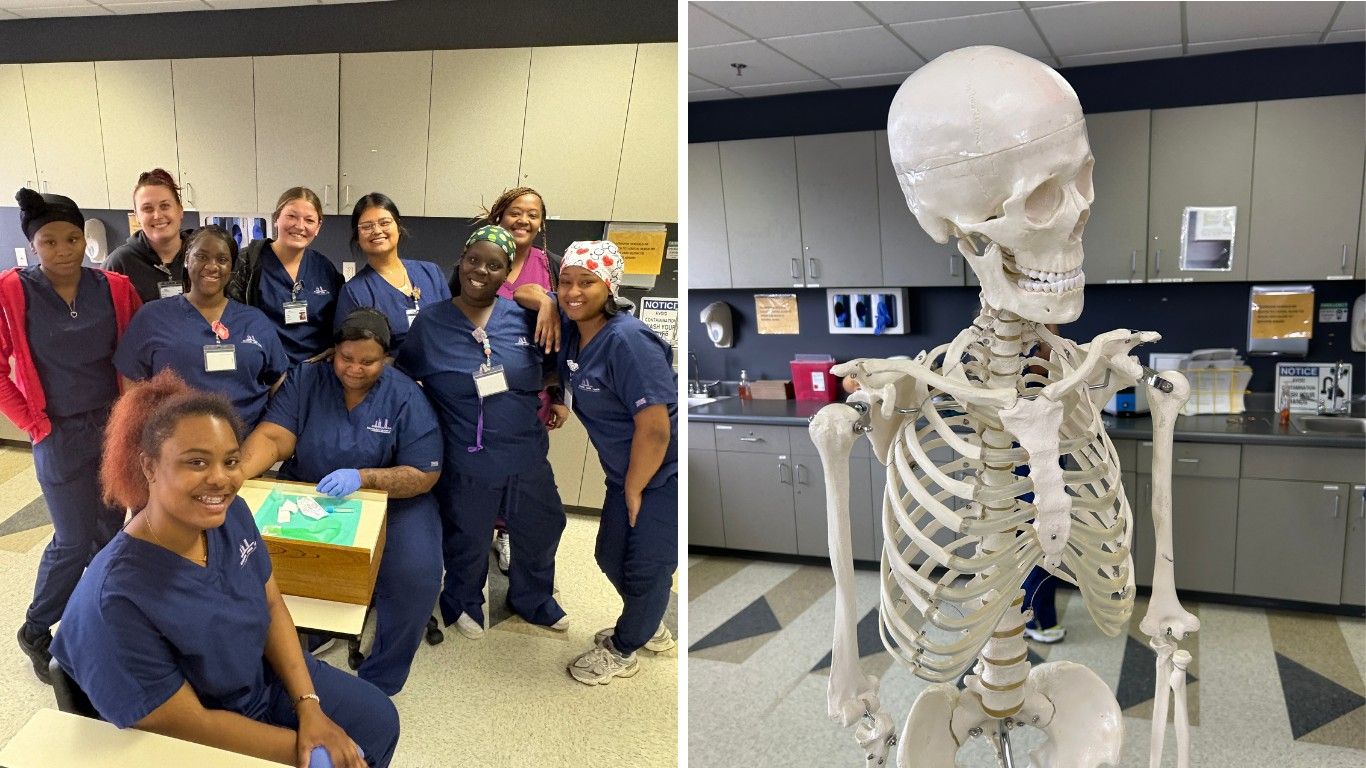
This week is Medical Assistants Recognition Week, a time to honor the people who help keep clinics running every day. Medical assistants greet patients, take vital signs, update records, and support doctors from the first appointment to the last. Most patients only see a small part of what they do.
In short, medical assistants are the backbone of a clinic. Without them, the whole care team would slow down. Here is a closer look at why this role matters so much.
The Work Patients Never See
A patient’s visit may last 20 minutes, but a medical assistant’s work starts well before the patient walks in. Much of what keeps a clinic safe and on time happens quietly in the background.
On a typical day, a medical assistant may:
- Review the schedule and prepare exam rooms before patients arrive
- Check medication lists and allergies for errors or changes
- Clean and set up equipment between appointments
- Process lab samples and make sure they are labeled correctly
- Handle insurance details, referrals, and prescription refill requests
- Update electronic health records so the next provider has the right information
These tasks rarely get noticed when they go well. But a single missed allergy or mislabeled sample can cause real problems. That is why careful medical assistants are so valuable.
Support for the Whole Care Team
Medical assistants are one of the few roles trained in both clinical and administrative work. That mix lets them step in wherever the clinic needs help most.
- Doctors rely on medical assistants to room patients, record symptoms, and assist with exams and procedures. This lets doctors spend their time on diagnosis and treatment.
- Nurses count on medical assistants to handle routine tasks like vital signs and injections, so nurses can focus on more complex care.
- Front desk staff get help with scheduling, check-in, and insurance questions during busy hours.
Because they move between the front office and the exam room, medical assistants often know what is happening across the whole clinic. They help keep everyone on the same page.
The First and Last Face Patients See
Medical assistants are often the first person a patient talks to and the last person they see before leaving. Those moments shape how a patient feels about the entire visit.
A nervous patient may feel calmer after a friendly greeting and a clear explanation of what comes next. A patient with questions may feel more confident after a medical assistant reviews their care instructions. Small acts like these build trust, and trust helps patients come back for the care they need.
What Happens When a Clinic Is Short on Medical Assistants
When a clinic does not have enough medical assistants, the effects show up fast. Wait times grow, appointments fall behind, and doctors and nurses take on tasks that pull them away from patient care. Staff burnout rises, and patients may feel rushed.
That is one reason medical assistants are in such high demand. According to the U.S. Bureau of Labor Statistics, jobs for medical assistants are projected to grow 13 percent from 2025 to 2035. That is much faster than the average for all jobs. The BLS also projects about 109,700 openings for medical assistants each year over that decade.
As the older adult population grows, more people will need regular medical care. Clinics will need skilled medical assistants to keep up.
What Makes a Great Medical Assistant
Medical assistants need a mix of technical skill and people skills. The best ones tend to share a few key traits:
| Skill | Why It Matters |
| Attention to Detail | Doctors, patients, and insurance companies all rely on accurate records and correct vital signs. |
| Compassion | Patients may be sick, in pain, or scared. A kind and patient approach makes a real difference. |
| Clear Communication | Medical assistants explain instructions to patients and share key information with the care team. |
| Calm Under Pressure | Busy clinic days call for someone who can stay focused and handle many tasks at once. |
| Flexibility | The job can change from hour to hour, moving between the exam room and the front desk. |
Thank You, Medical Assistants
To every medical assistant in the Milwaukee area and beyond, including the many Milwaukee Career College graduates working in local clinics: thank you. The work often goes unnoticed, but patients and care teams depend on it every day.
Interested in Becoming a Medical Assistant?
The Medical Assistant program at Milwaukee Career College trains students in both clinical and administrative skills. Students can finish in about 9 months. The day program takes about 30 weeks, and the evening program takes about 38 weeks. The first six weeks are online.
The program includes hands-on lab training and a clinical externship at a local healthcare facility. It also prepares students to take the Certified Medical Assistant (CMA) exam. After graduation, the Career Services team helps with job placement, resumes, and interview coaching.
To learn more, students can review the admissions process, explore tuition assistance, check upcoming class starts, or request information from an admissions representative.
Frequently Asked Questions
When is Medical Assistants Recognition Week?
Medical Assistants Recognition Week takes place the third full week of October each year. It is sponsored by the American Association of Medical Assistants (AAMA).
Is a medical assistant the same as a physician assistant?
No. Medical assistants support the care team with clinical and administrative tasks, while physician assistants practice medicine and can prescribe medication under a physician’s supervision.
Is a medical assistant the same as a nurse?
No. Medical assistants handle routine clinical and office tasks, which frees nurses to focus on more complex patient care.
Can medical assistants give injections?
Yes. Medical assistants can give injections and medications as directed by a physician and as permitted by state law.
Where do most medical assistants work?
Most medical assistants work in physicians’ offices. Others work in hospitals, outpatient care centers, and specialty practices.
Do medical assistants need to be certified?
Most states do not require certification, but many employers prefer or require it. Earning a credential such as the Certified Medical Assistant (CMA) can improve job prospects.
How much do medical assistants make?
The median annual wage for medical assistants was $45,690 in May 2025, according to the U.S. Bureau of Labor Statistics. Pay varies by location, experience, and type of employer.